"It's a FACT!" Training Course

Fostering Awareness and Critical Thinking in Media Literacy to Combat Fake News​

PROJECT SUMMARY

In an era where misinformation spreads rapidly through social media, online platforms, and AI-generated content, media literacy has become an essential skill for young people and youth workers alike. The Erasmus+ Training Course “It’s a FACT!” was developed to equip youth workers with practical tools, methodologies, and critical thinking skills to identify, analyze, and combat fake news and disinformation.

The project brought together youth workers, educators, and youth leaders from eight European countries for an intensive learning experience focused on media literacy, fact-checking, digital citizenship, and the promotion of democratic values. Through non-formal education methods, participants explored the causes and consequences of misinformation while developing educational resources that can be used within their local communities.

OBJECTIVES

Understand the concept of fake news, misinformation, disinformation, propaganda, and conspiracy theories.
Explore the psychological and social factors that contribute to the spread of false information.
Develop practical fact-checking skills using tools such as the CRAAP Test and the SIFT Method.
Increase awareness of the impact of misinformation on democracy, human rights, and European values.
Understand the role of social media algorithms, echo chambers, and artificial intelligence in shaping online information.
Promote critical thinking and responsible digital citizenship among young people.
Strengthen youth workers' capacity to design and implement media literacy activities.
Foster international cooperation and exchange of good practices in the field of digital youth work.
Create educational resources that can be used by youth organizations across Europe.
Support the Erasmus+ priorities of digital transformation, inclusion, active participation, and quality youth work.

PARTNERS

  • Stichting yEUth – Netherlands (Coordinator)
  • Entrepreneurship and Social Economy Group (EKO) – Greece
  • Asociatia Monomyths – Romania
  • Asociación Creamos Europa – Spain
  • Associazione Scienze Naturali Unite APS (ASNU) – Italy
  • Youthfully Yours SK – Slovakia
  • Youth Initiative Center “Involvement for Change” – Latvia
  • Yerelden Küresele Sürdürülebilir Kalkınma Derneği – Türkiye

MAIN DELIVERABLES

  • Fake News Prevention Toolkit
  • Educational Videos on Media Literacy and Fact-Checking
  • New Non-Formal Education Methods for Youth Workers
  • International Network of Media Literacy Practitioners
  • Local Dissemination Events in Partner Countries
  • Youthpass Certificates for Participants

PROJECT ACTIVITIES PER DAY

DAY 1

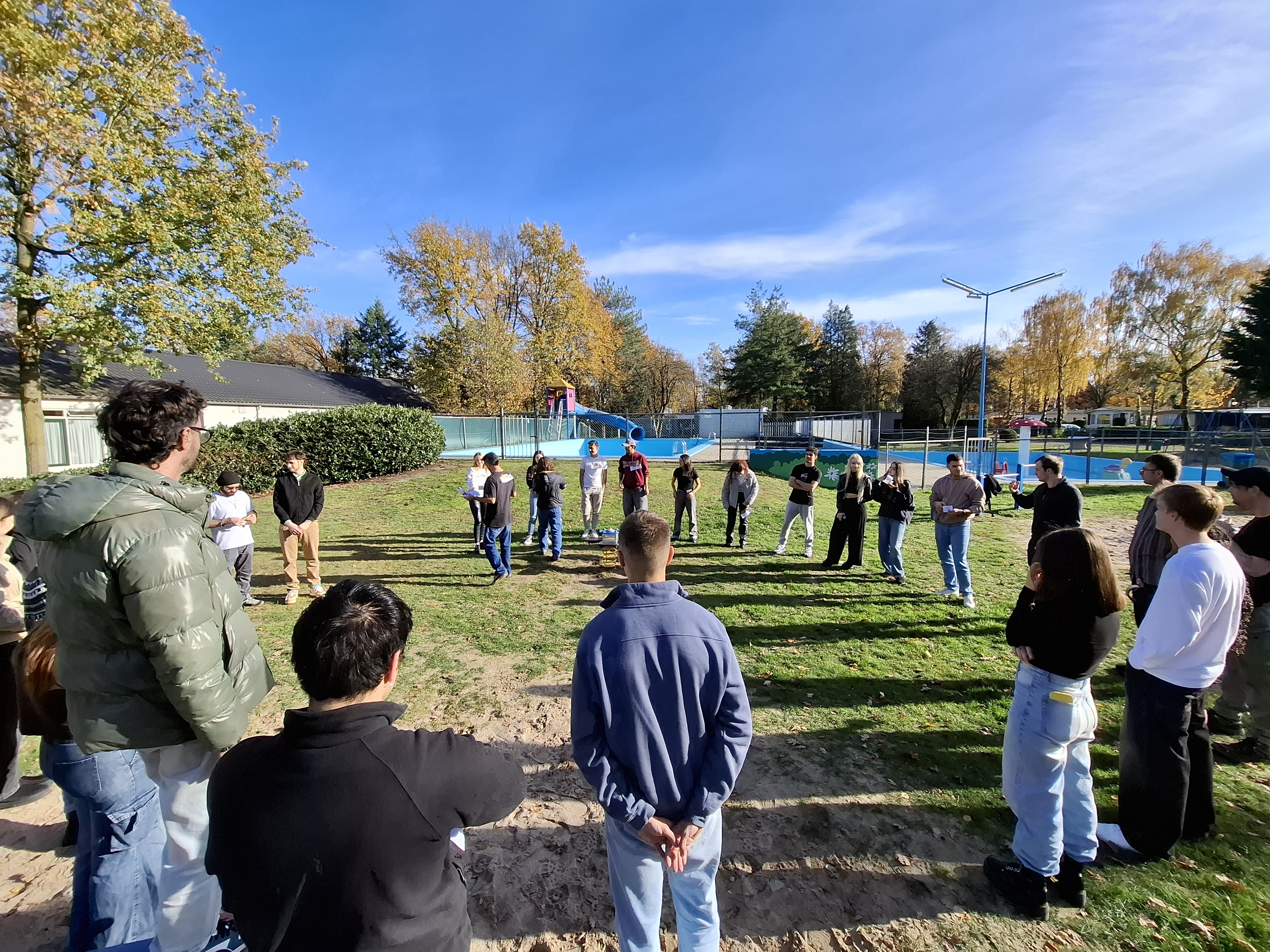
The first day focused on creating a positive and inclusive learning environment. Participants got to know each other through icebreakers, team-building activities, and energizers. The group created a "Tree of Expectations" and "River of Fears" to share personal goals and concerns. Participants were introduced to the Erasmus+ Programme, Youthpass, and the objectives of the training course. The day concluded with reflection activities and an intercultural welcome evening.
DAY 2

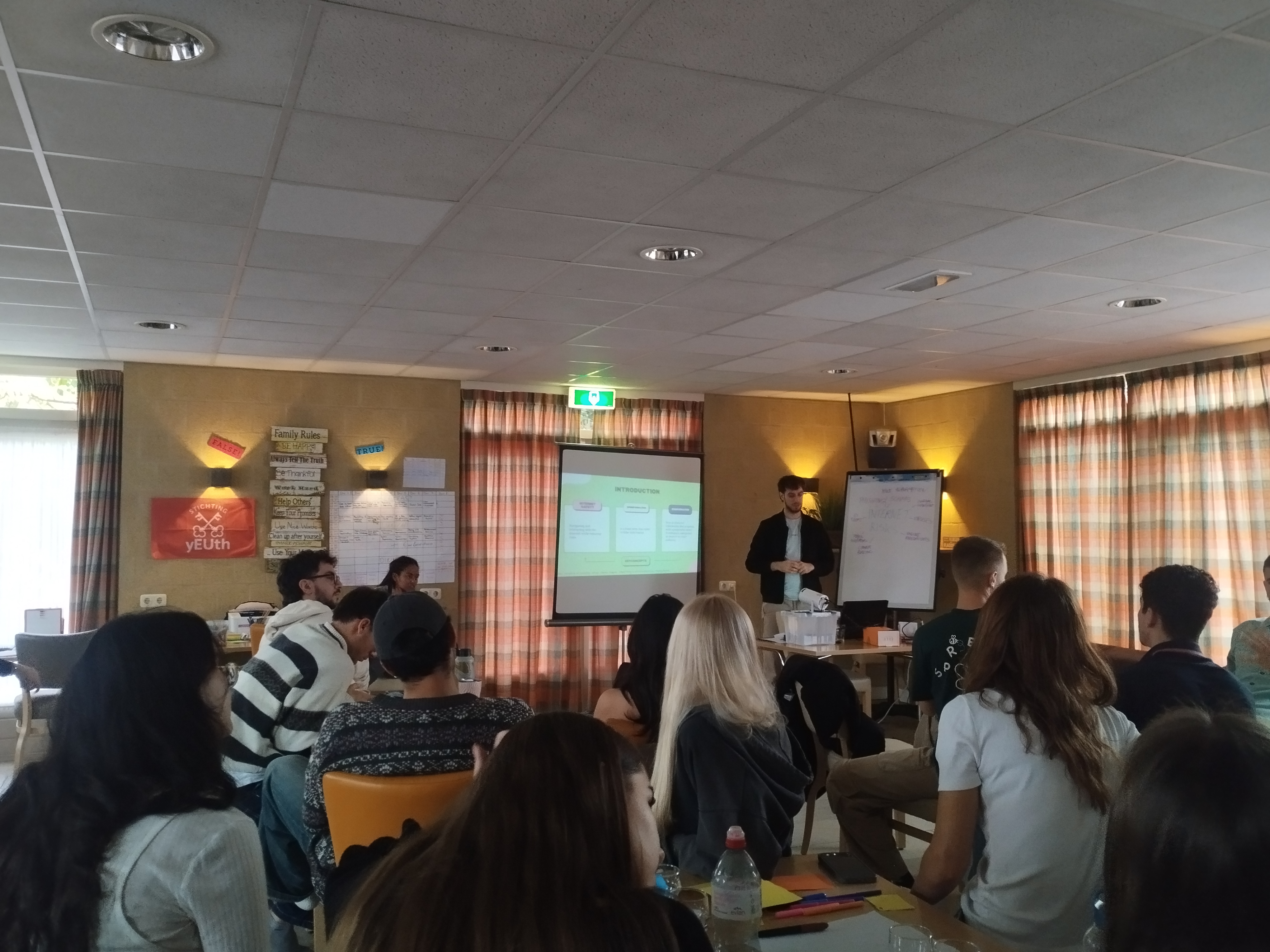
The second day explored the foundations of fake news and disinformation. Participants examined the differences between misinformation, disinformation, propaganda, and conspiracy theories. Through interactive workshops and group discussions, they analyzed the motivations behind the creation and spread of fake news. The day ended with reflection activities and intercultural exchange.

DAY 3

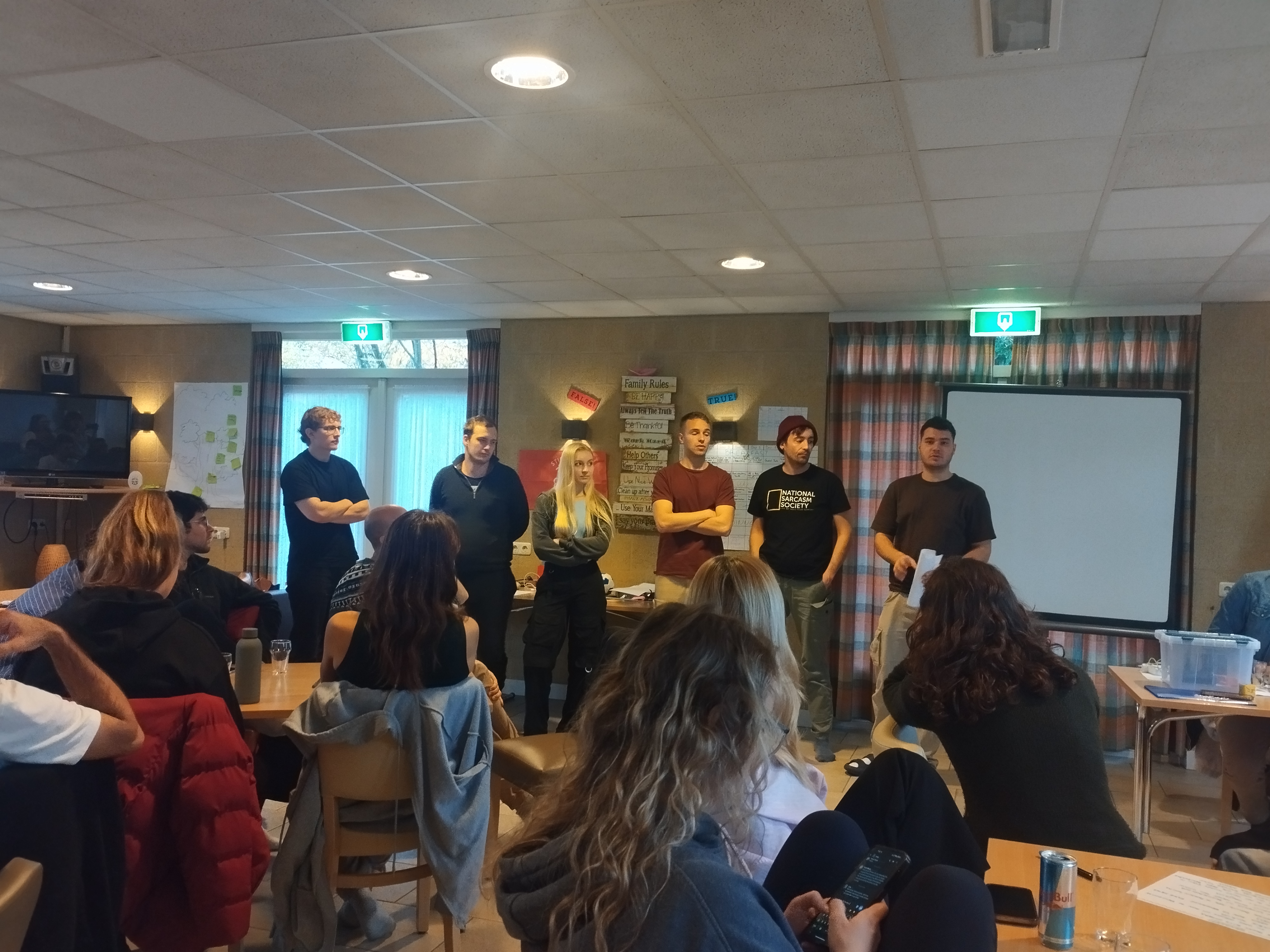
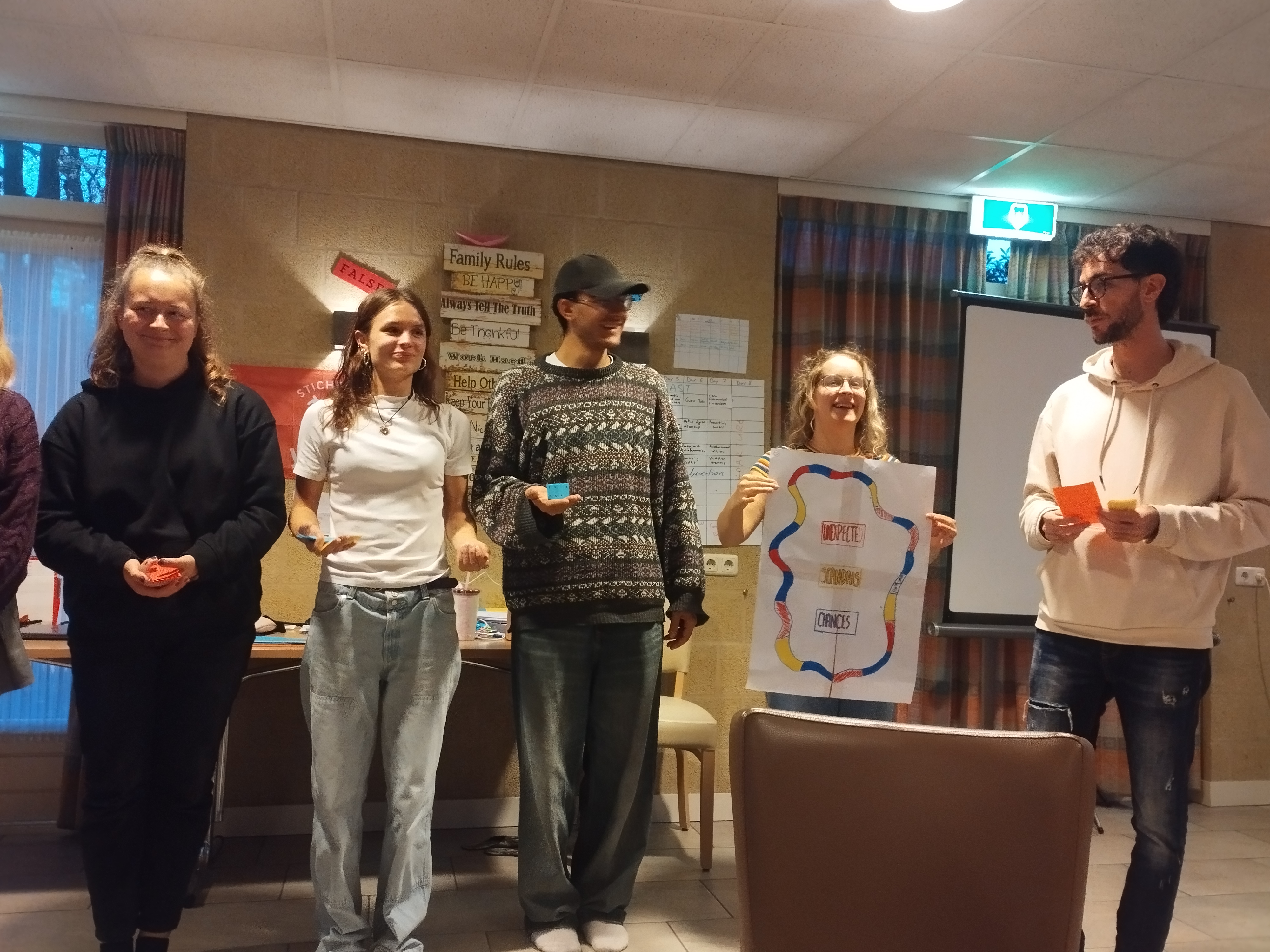
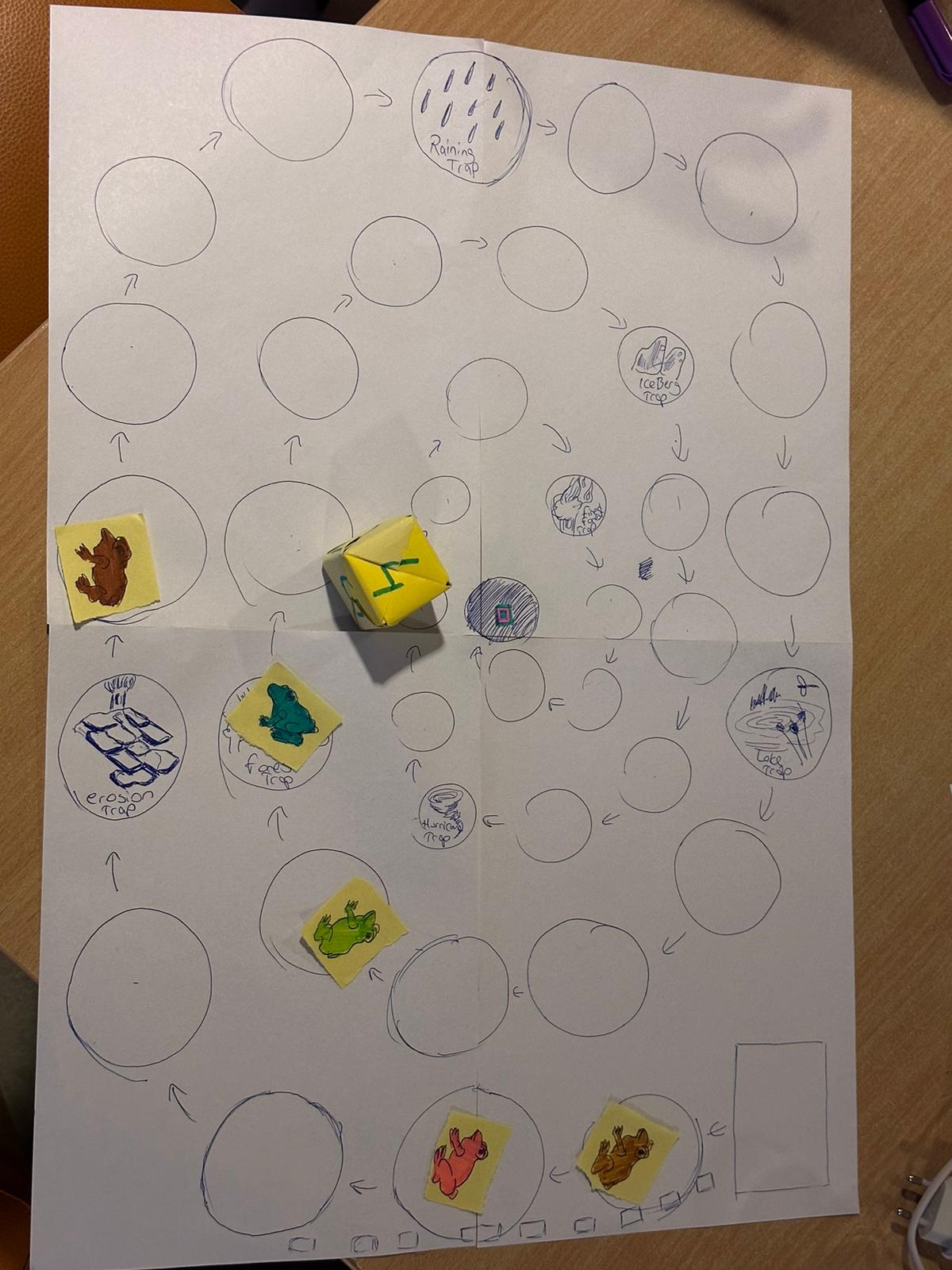
On the third day, participants focused on the impact of misinformation on society, democracy, and European values. Workshops explored digital ethics, cyber safety, and the dangers of online manipulation. Participants created educational games and simulations demonstrating how fake news spreads through communities and social networks.

DAY 4

The fourth day was dedicated to fact-checking methodologies. Participants learned and practiced the CRAAP Test and the SIFT Method while analyzing real online content and social media posts. Through collaborative exercises, they developed critical thinking tools and educational activities that can be applied in youth work settings.

DAY 5

The fifth day focused on the role of social media algorithms, echo chambers, and artificial intelligence in shaping online behavior. Participants explored how digital platforms influence opinions and contribute to the spread of misinformation. They began developing the Fake News Prevention Toolkit and planned educational video content.

DAY 6

Day six introduced participants to digital citizenship and ethical challenges in the modern information landscape. Through role-play activities, simulations, and group discussions, participants explored moral dilemmas related to technology and online behavior. The toolkit and educational resources were further developed and refined.The seventh day focused on content creation and dissemination. Participants finalized the Fake News Prevention Toolkit and recorded educational videos aimed at promoting media literacy among young people. Reflection activities helped participants evaluate their learning journey and identify future applications of the acquired knowledge.

DAY 7

The final day celebrated the achievements of the project. Participants presented their final outputs, reflected on their personal and professional development, and discussed future cooperation opportunities. The training concluded with the Final Evaluation, the Youthpass Awarding Ceremony, and a Closing Celebration marking the end of a successful international learning experience.

DAY 8

The last day marked the culmination of the project with the implementation of the local activity, "Youth in Action Against Addictions", actively involving participants and the local community in meaningful engagement. This was followed by reflections on the self-development journey and participants then took part in an NGO Bazaar, fostering networking, brainstorming, and ideas for future collaboration. The day concluded with a Final Evaluation, the Youthpass Awarding Ceremony, an emotional Closing Activity and a celebratory Farewell Dinner to mark the end of the project.

PHOTO GALLERY

LATEST NEWS