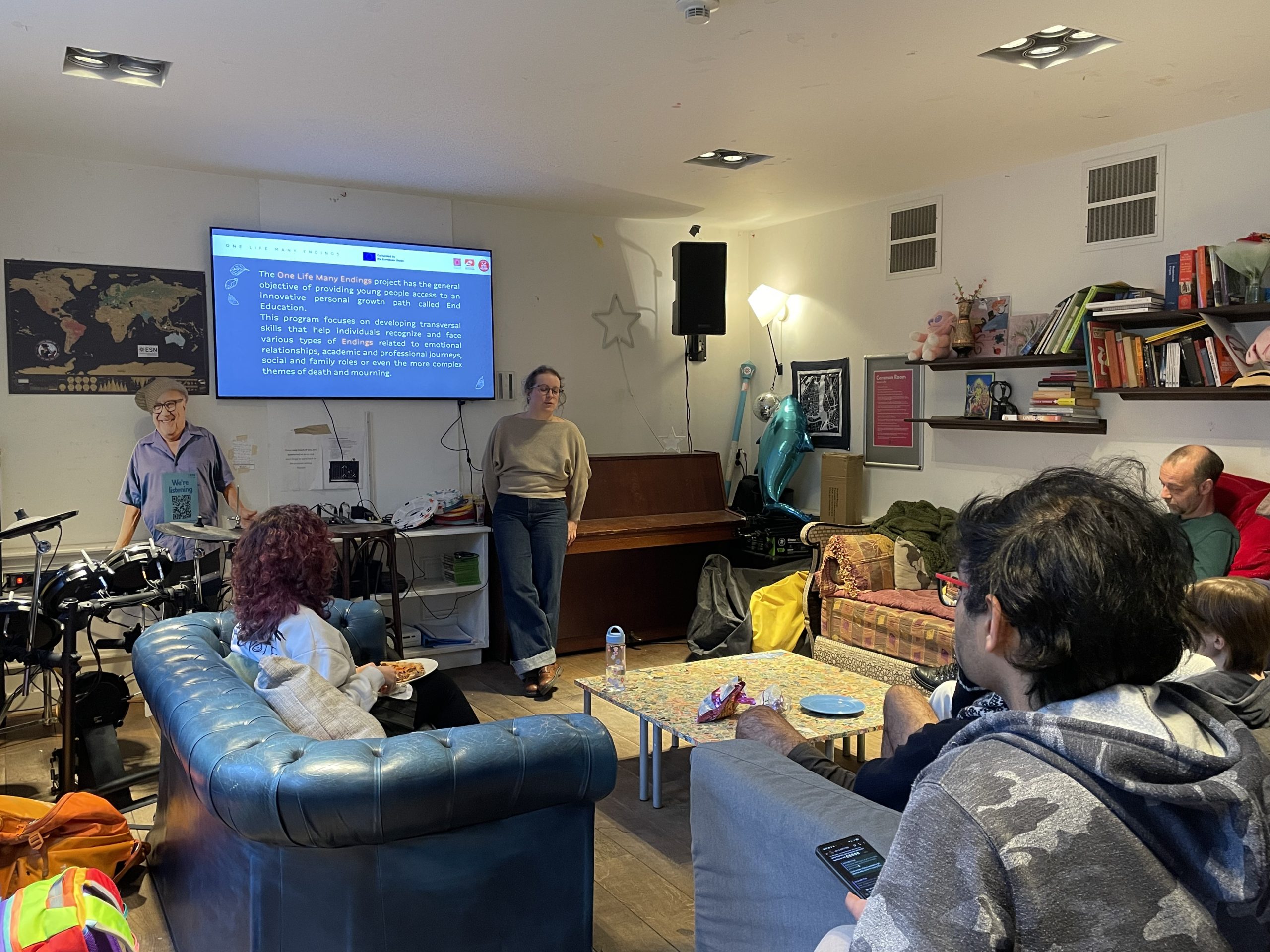
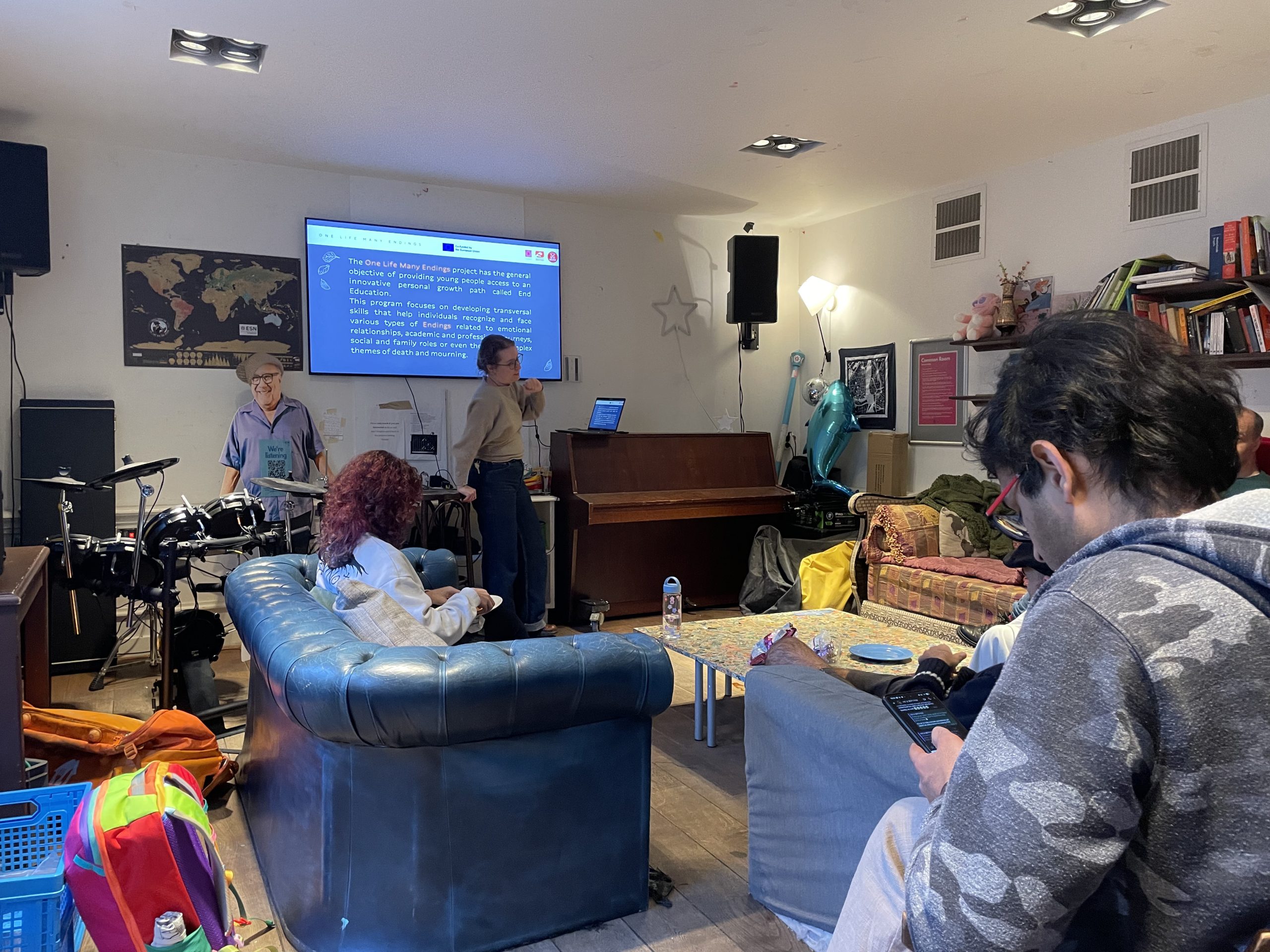
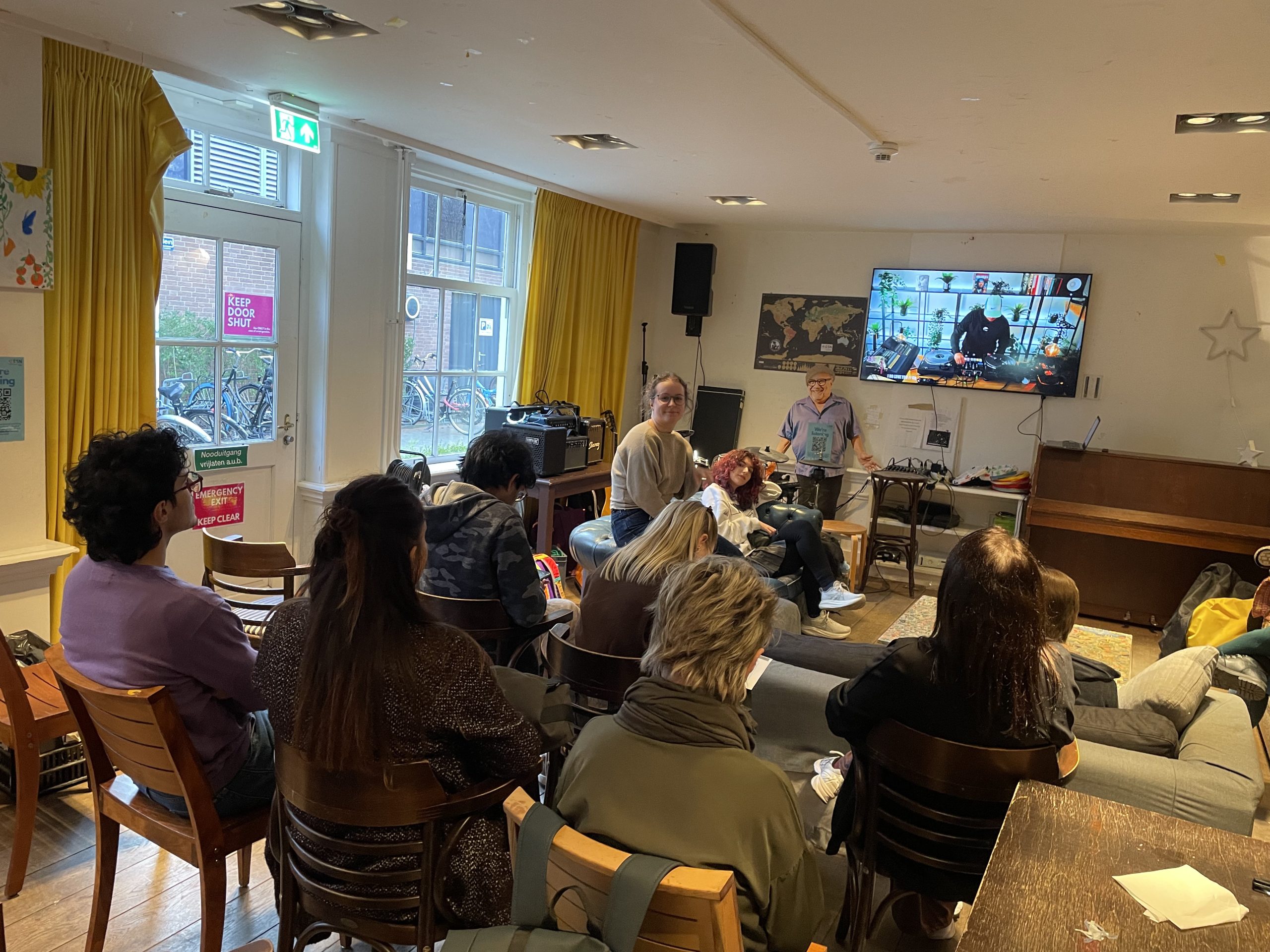
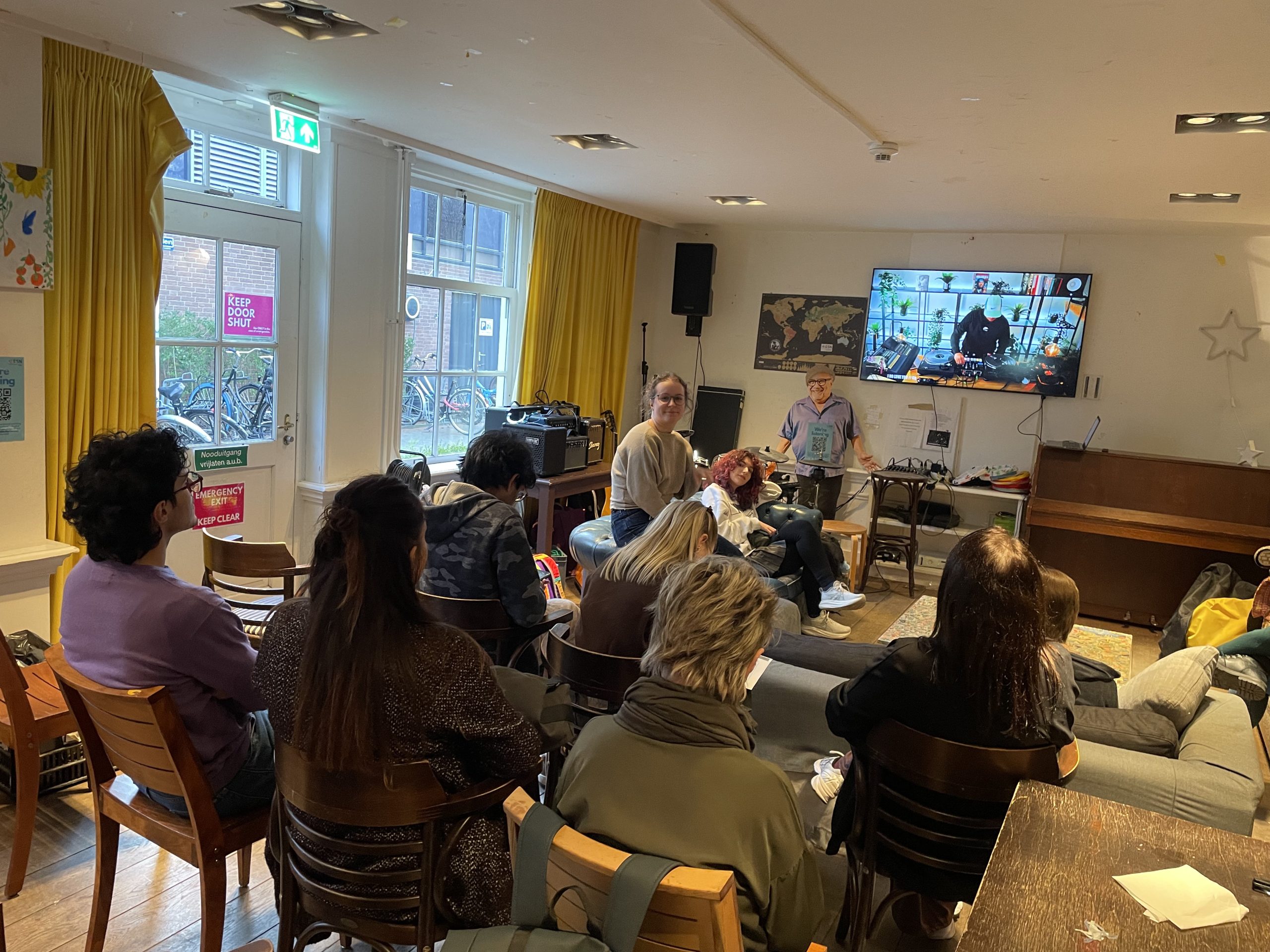
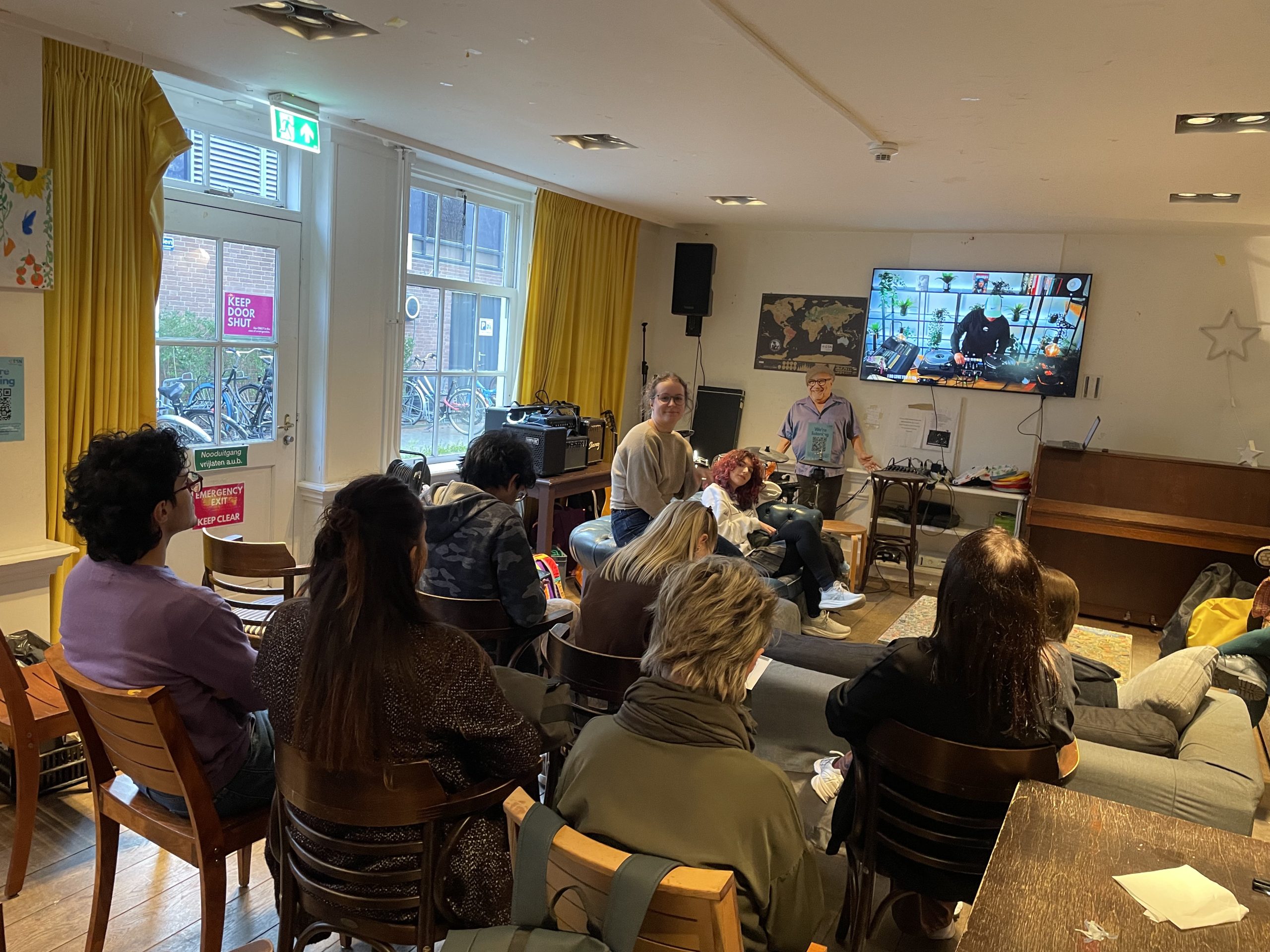
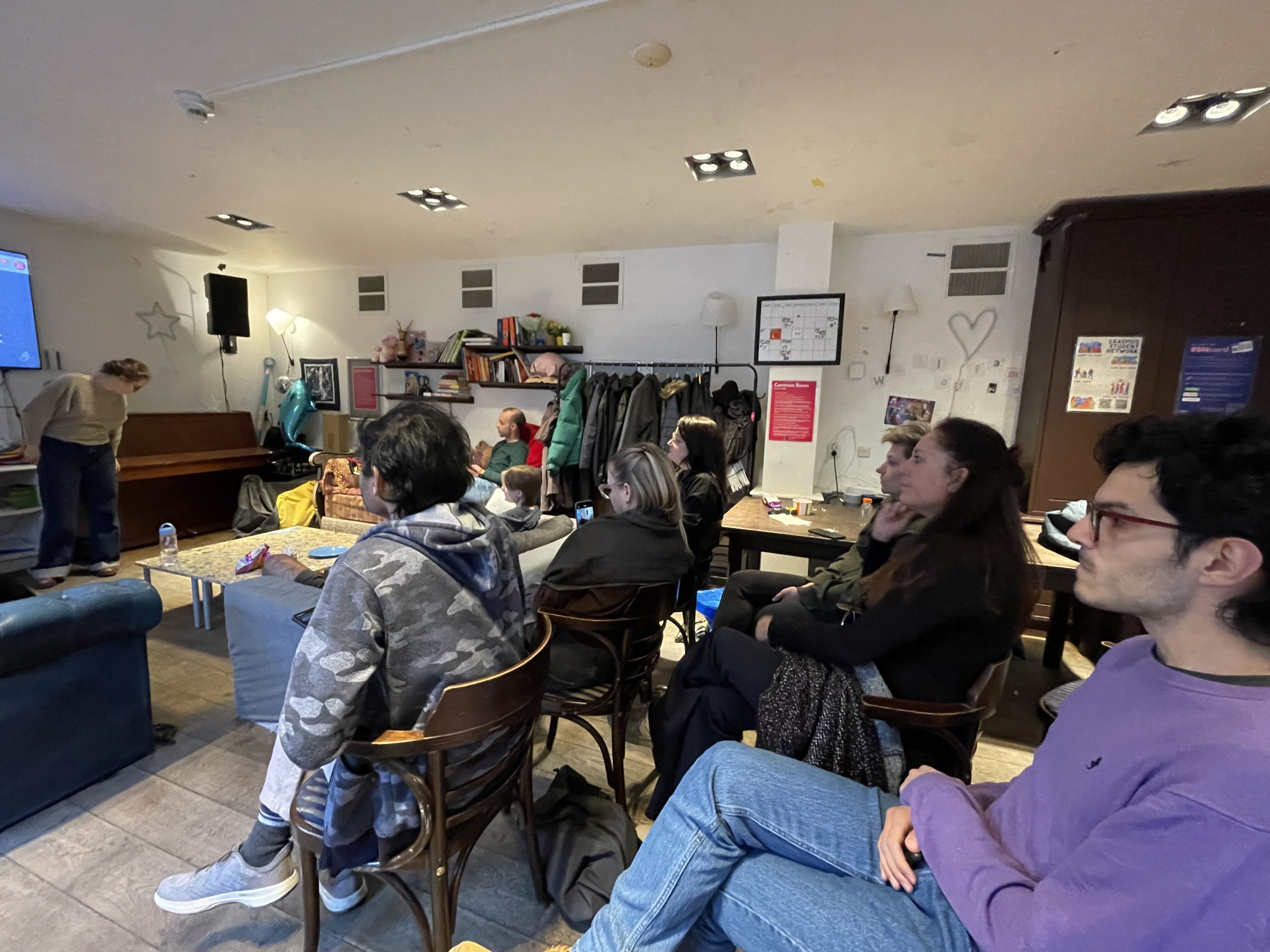
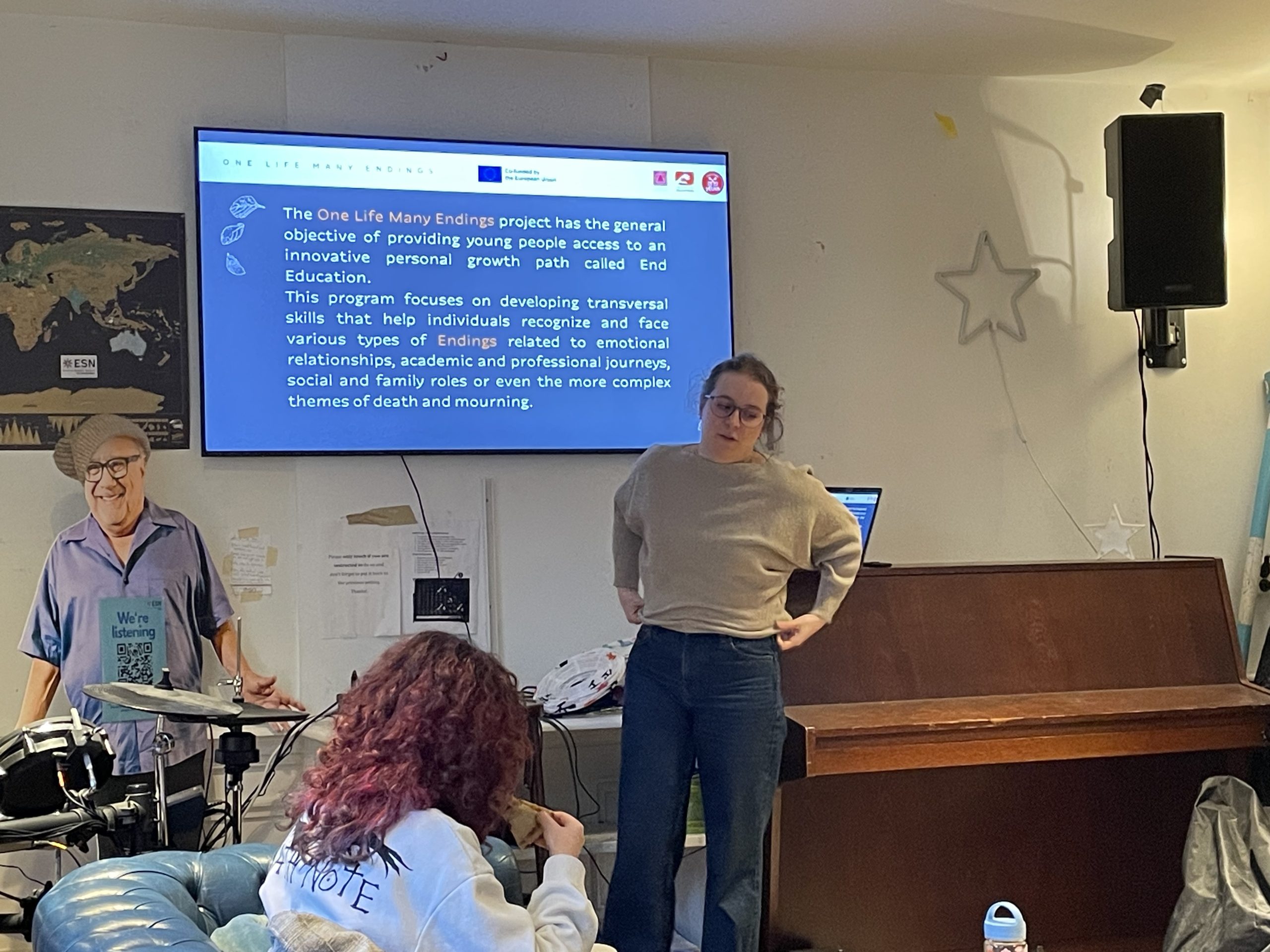
On March 24th, 2026, we at Stichting Yeuth facilitated our fourth pilot workshop as part of the One Life Many Endings (OLME) project. This session marked an important step in bringing together everything explored in previous workshops, offering young people a deeper and more practical engagement with the concept of endings. The space we created encouraged both reflection and active participation, allowing experiences to be shared, explored, and understood in a supportive environment.
From the beginning, we focused on establishing emotional safety within the group. We made it clear that participants could choose which experiences to work with, that sharing was always optional, and that their personal boundaries would be respected. This approach helped build trust and allowed participants to engage with the topic at their own pace . As a result, we observed a strong sense of openness and mutual respect throughout the session.
During the workshop, we guided participants through a series of reflective exercises designed to connect the theory of endings to their own lived experiences. By inviting them to think about past and present transitions—such as the first ending they remember or changes they are currently going through—we saw participants begin to articulate their emotions in a more structured way. These moments of reflection made the concept of endings more tangible and meaningful.
We also explored the idea of impermanence, emphasizing that change is a natural and constant part of life. For many participants, this perspective helped shift their understanding: instead of viewing endings as disruptions, they began to see them as part of an ongoing process of growth and transformation . This realization opened the door to more acceptance and curiosity toward their own experiences.
Another key focus was the emotional journey that accompanies endings. We discussed how individuals move through different phases—such as denial, anger, sadness, and acceptance—while highlighting that these phases are not linear and can vary from person to person . This helped normalize participants’ feelings and encouraged a more compassionate and patient approach toward themselves.
By the end of the workshop, we saw a clear shift in how participants engaged with the topic. They left with a stronger sense of awareness, practical tools to navigate change, and a shared language to express their experiences. For us at Stichting Yeuth, this fourth pilot reaffirmed the importance of creating spaces where young people can safely explore endings and begin to transform them into meaningful opportunities for growth.