Third Pilot Netherlands OLME
ONE LIFE MANY ENDINGS IN LEIDEN
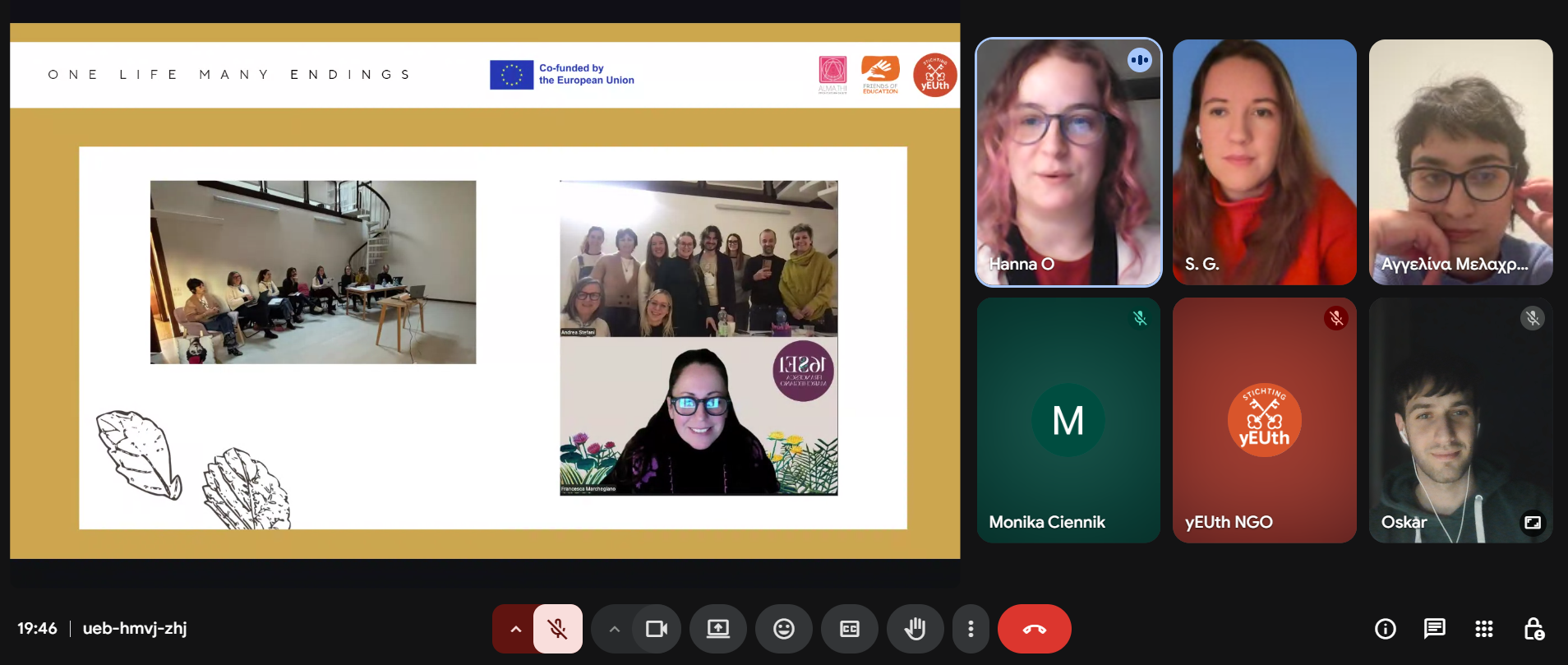
During our third pilot workshop, we at Stichting Yeuth focused on deepening young people’s understanding of endings by introducing the foundational concepts behind the One Life Many Endings (OLME) framework. Building on previous sessions, this workshop created space not only to reflect on personal experiences, but also to connect them to a broader understanding of how change shapes our lives. From the start, the atmosphere encouraged curiosity, openness, and shared learning.
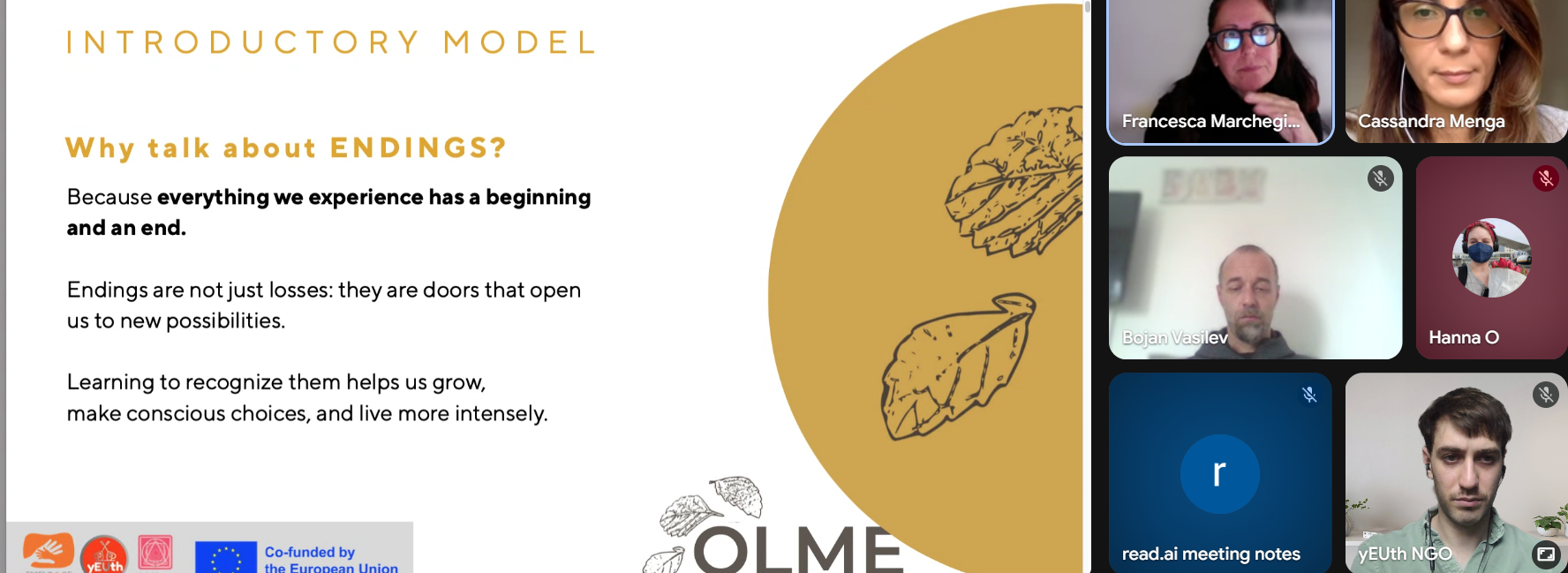
At the core of this session was the introduction of End Education as a journey—one that helps young people learn from endings rather than avoid them. Together with participants, we explored how every experience carries both a beginning and an end, and how recognizing this can open the door to new possibilities . By framing endings as part of a natural cycle, we encouraged participants to see change not as something to fear, but as something that can support growth and self-awareness.
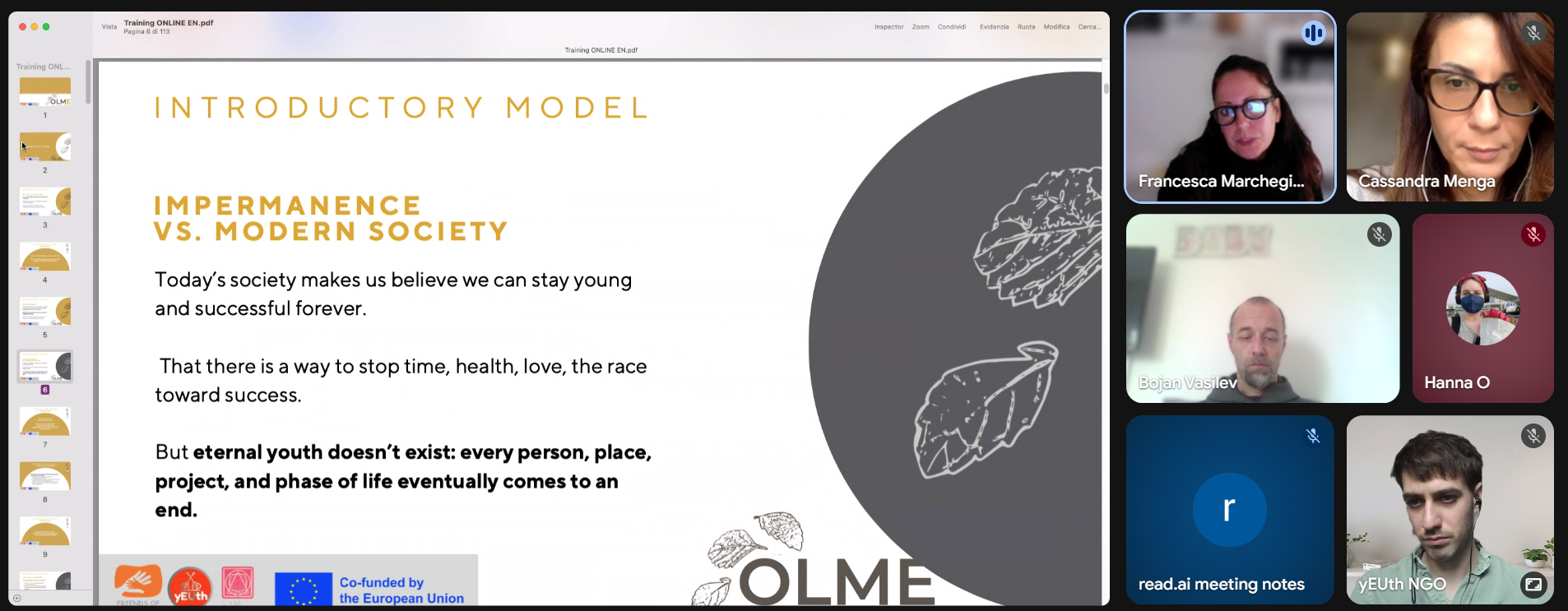
Throughout the workshop, we guided participants through key concepts such as impermanence and the cycle of endings. These ideas helped shift perspectives: instead of seeing change as disruption, participants began to understand it as a constant and necessary part of life. As highlighted in the introductory model, believing that things remain the same forever is an illusion—life moves through continuous cycles of transformation.. This realization sparked meaningful discussions and reflections within the group.
We also explored the emotional journey that accompanies endings. Participants reflected on the different phases they may experience—ranging from denial and anger to acceptance, curiosity, and exploration. Importantly, we emphasized that these phases are not linear, and that each person moves through them in their own way . This helped normalize the complexity of emotions and encouraged participants to approach their experiences with more compassion and understanding.
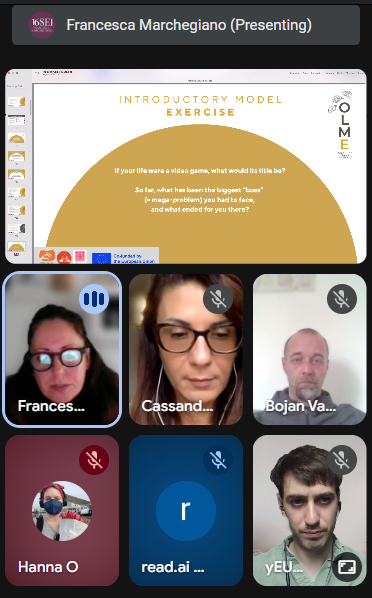
A particularly engaging part of the workshop was connecting these ideas to the concept of the Hero’s Journey. By viewing endings as the beginning of a new chapter, participants were able to see themselves as active agents in their own stories. This perspective reinforced the idea that challenges and transitions, while difficult, are also opportunities for transformation and growth.
By the end of the session, we saw participants not only reflecting more deeply on their own experiences, but also gaining a shared language to talk about change. For us at Stichting Yeuth, this workshop highlighted the importance of combining personal reflection with accessible frameworks. It reaffirmed our belief that when young people are given the tools to understand endings, they are better equipped to navigate life’s transitions with resilience, awareness, and confidence.